
A Nosh Live session on Momofuku's move from restaurant to grocery made me think about what loyalty really is, and where it comes from.
Hi, I’m Lera. Every issue of Video Scaling Strategies uses what the market is actually doing to explain why some video earns attention and some doesn’t.
Going through the Nosh Live agenda, I noticed a session on Friday 4 December called Momofuku on the Mind: Brand as Emotional Connection, with Marguerite Zabar Mariscal, who runs Momofuku Holdings, and Paddy Spence, who runs Momofuku Goods, and I think it asks the question every food founder is quietly working on, which is why anyone would pick your jar when a cheaper one sits right next to it.
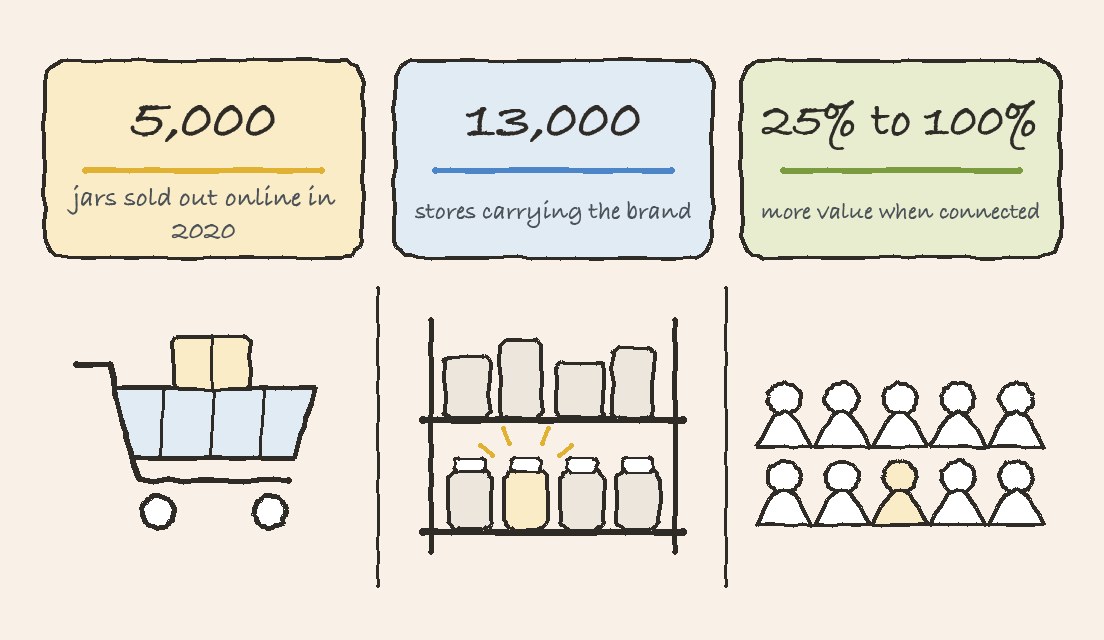
Emotional connection is one of those phrases every brand claims and very few can explain, so it helps when the feeling started somewhere you can point to. For Momofuku it started with a noodle bar David Chang opened in New York in 2004, and when the company listed 5,000 jars of Chili Crunch on its website in May 2020, they sold out almost instantly, which tells you the bond with the restaurant was real long before anyone wrote a grocery plan.
What I find more interesting is what happened next, because restaurant fans were never going to be enough on their own. Momofuku Goods is now in more than 13,000 stores, by the company’s own count, which means most people who pick up a jar have never eaten at a Momofuku restaurant, and my guess is that the real job became carrying the feeling to people who never had it in the first place.
What I think made the trip
Going by what the company has published, three things seem to have made it from the dining room to the shelf: the dishes themselves (each of the five sauces it launched in September names the restaurant dish it came from), the look of the kitchen on the packaging, and a habit of listening, since Spence said the 2025 noodle relaunch came out of thousands of reviews, DMs (direct messages) and emails from fans.
The business model didn’t make the trip. When Mariscal asked CPG (consumer packaged goods) veterans for advice early on, she told Inc. the advice was close to unanimous: don’t do this. Grocery meant a new team and orders that went from 5,000 units to 50,000, and I suspect that part of the story will matter more to the founders in the room than the brand part.
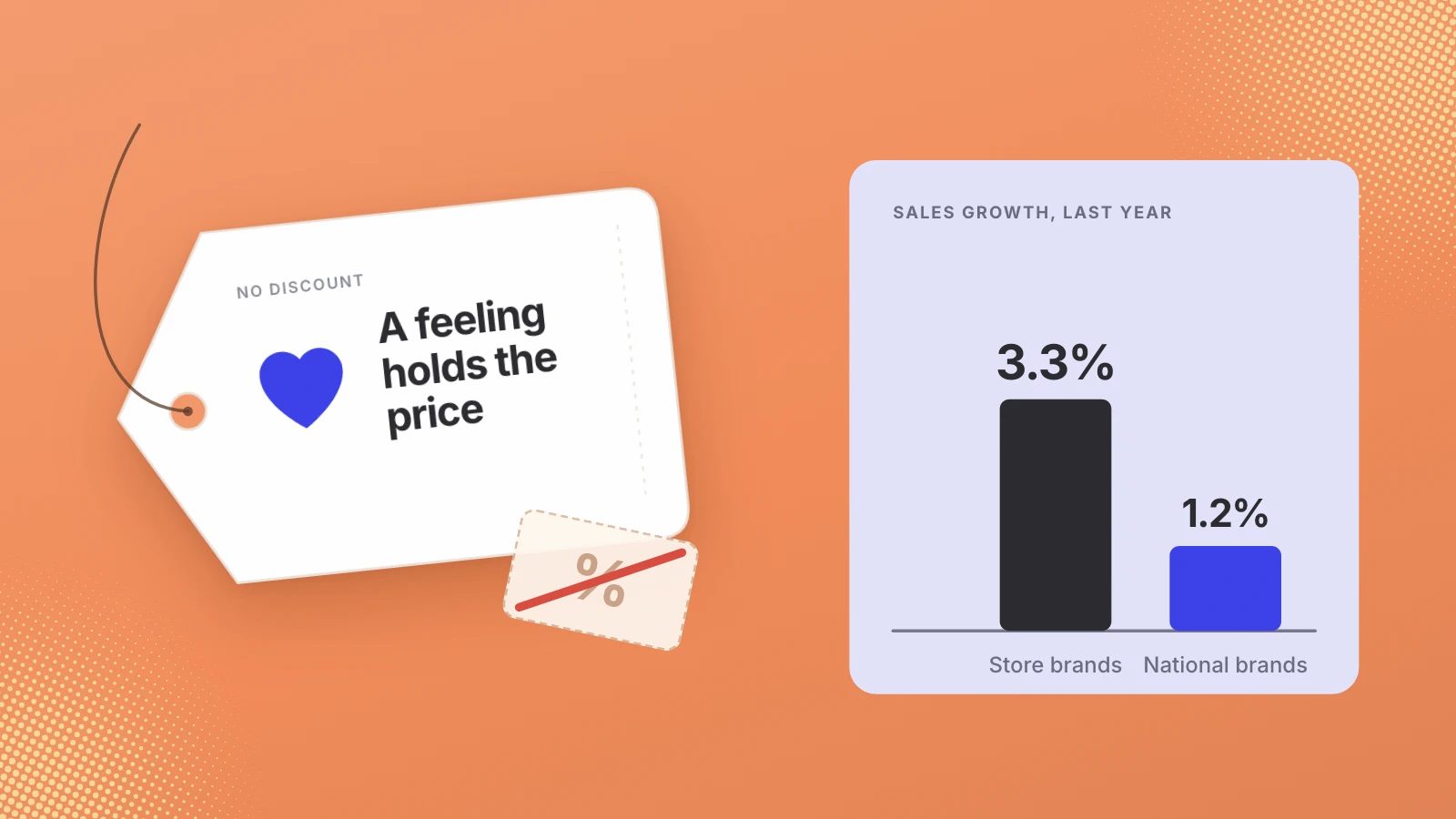
There is a figure I keep coming back to here, from three researchers writing in Harvard Business Review back in 2015: across hundreds of brands, customers who were emotionally connected to a brand were 25% to 100% more valuable than ones who were merely highly satisfied. It’s old and it’s broad, but I think it explains why a brand built on feeling can hold its price, at a moment when store brands (the retailer’s own label) grew 3.3% last year against 1.2% for national brands.
What I’d want to hear in the room
If I were going, I’d want to know what a founder without a restaurant can borrow first, since I suspect that’s most of the audience, and how they measure emotional connection beyond repeat purchase (shoppers buying a second and third time). I wrote up the timeline, the sources and five moves I’d make if I were building that bond from a kitchen table rather than a famous dining room, in the full guide.
This next bit is the part we sell, so weigh it accordingly. A lot of that bond now gets built on a phone, by showing the kitchen, the maker and the ritual often enough that people remember them, and that’s what Leo does with the footage brands already own, alongside creator campaigns with people whose followers look like your buyers. It can’t make a product worth feeling something about, and I don’t think any amount of posting can.
Emotional brand building. What Momofuku carried from the dining room to more than 13,000 stores, and the questions for its Nosh Live session. Read it here.
Your first 90 days on shelf. A launch marketing plan for a brand’s first quarter in stores. Read the guide.
Sources
Written by Lera Leonteva. Leo AI turns the footage consumer brands already own into social video and runs creator campaigns, so we have a commercial interest in the marketing side of this. This post is also Conference edition 1 of Video Scaling Strategies, Leo AI’s newsletter, sent to subscribers on November 24, 2026. Every figure in it is linked to its source in the guide listed above.