Instagram judges originality as a share of your recent posts, over a rolling thirty day period, not as a strike count. Meta says an account can become eligible for recommendations again when most of its recently posted reels, photos and carousels are original. It has never published where most begins, and no public source states a specific number of reposts.
Hi, I’m Lera. Every issue of Video Scaling Strategies uses what the market is actually doing to explain why some video earns attention and some doesn’t.
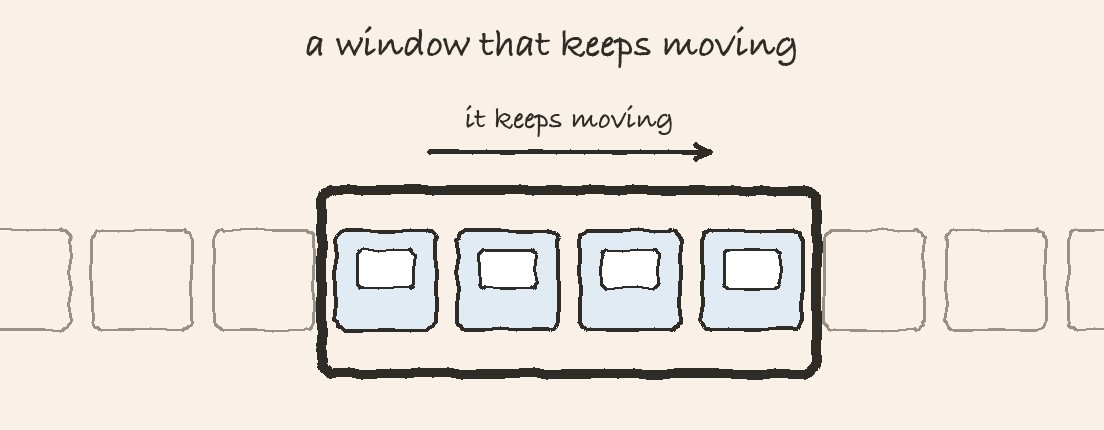
There is no strike counter for unoriginal content. There is a ratio, measured over the last thirty days, and you are almost certainly not tracking it.
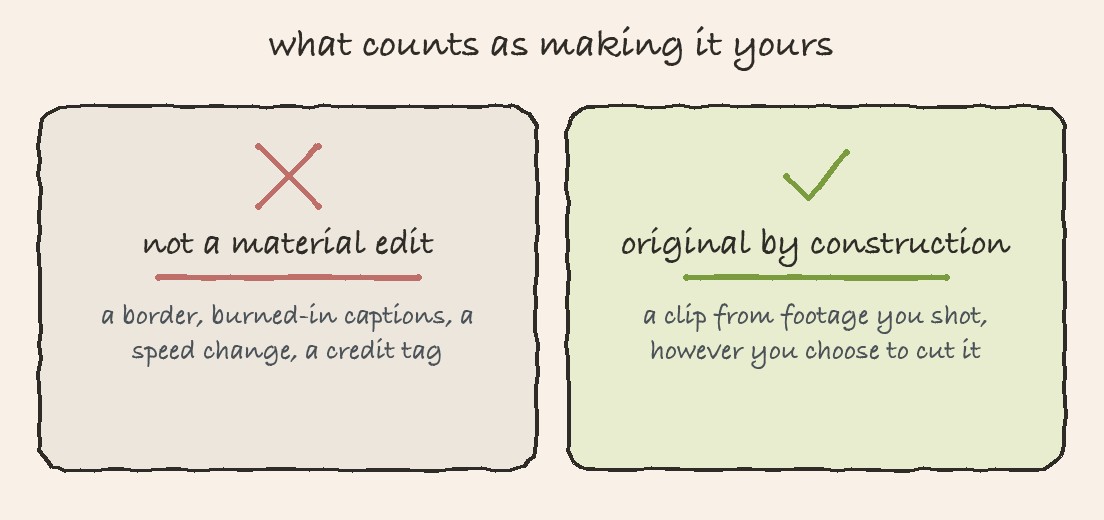
The rule underneath it, in Instagram’s original content guidelines: an account that mostly posts work it did not create, or did not change in a material way, may stop being recommended to people who do not already follow it. Meta then names what does not count as a material change, and the list is short and expensive.
“Examples of minor and immaterial edits include but are not limited to: borders, watermarks, speed changes, and simply crediting the original creator.”
What does not count as editing. Instagram original content guidelines, read 20 September 2026
That is a description of most repurposing workflows, which is why the rule landed so hard. But the mechanic people get wrong is not what counts as original. It is how the counting works.
This is the single most misunderstood mechanic in the originality rule, and it matters because the two models call for completely different behaviour. A strike counter says: do not do the bad thing more than N times. A rolling ratio says: your recent output as a whole decides what happens next.
Instagram describes the way back in, which is the clearest statement of how the rule works:
“If your account is not eligible to appear in recommendations, you can become eligible again when most of your recently posted reels, photos, and carousels are considered original in a 30-day period.”
How an account becomes recommendable again. Instagram original content guidelines, read 20 September 2026
Three things follow from that one sentence, and all three are operationally useful.
- The window rolls, so nothing is permanent Unlike a copyright strike, this does not sit on your account for a year. Thirty days of mostly original posting is the stated route back.
- It is a share of output, not an incident One repost in a month of original work is not the problem the rule is aimed at. A feed that is mostly other people’s clips is.
- Meta does not publish the threshold “Most” is the word on the page. Anyone quoting you an exact number, a ratio or a count of ten is guessing, and we are not going to guess either.
What the rule does not touch
Worth saying plainly, because the panic around this has been out of proportion. From the same page: the original content guidelines do not change how Instagram shows your content to people who already follow you. This is a rule about recommendations, which is the reach you get from people who have never heard of you.
So the symptom is specific. Followers still see you. Your reels stop reaching anyone new. If your view counts held steady while your non-follower reach fell off a cliff, this rule is a candidate, and Account Status inside the app is where Instagram says it will tell you.
Run the count this week
Twenty minutes, a spreadsheet, and your last thirty days of posts. One row per post, three columns:
| Column | What goes in it | Why |
|---|---|---|
| Source | Ours, licensed, or found | Origin is the whole test. Effort spent editing does not move a post between these. |
| Change made | Cut, reframe, captions, border, voiceover, commentary | Meta names borders, captions and speed changes as immaterial. Voiceover and commentary are the kind of change it points to as material. |
| Verdict | Original or not | Add up the column. If it is not comfortably mostly original, you have your answer. |
Most teams who run this exercise find the same thing: the unoriginal share is concentrated in filler, the posts published to hit a cadence on a thin week. Which points at the real problem, and it is not policy. It is that there was not enough of your own material ready to post.
The accounts that never have to think about this rule are the ones sitting on more footage than they can publish.
Next week: the one question that sorts every tool in your stack into safe and not safe.
Frequently asked questions
How many reposts before Instagram stops recommending me?
Meta publishes no number. Its guidance describes a rolling thirty day period in which most of your recent posts need to be original. Anyone quoting an exact count, such as ten, is not citing a Meta source.
Does the originality rule affect my existing followers?
No. Instagram's guidelines state that they do not change how your content is shown to people who already follow you. The rule affects recommendations to new audiences.
Do captions or a border make a repost original?
No. Meta names borders, watermarks, speed changes and crediting the original creator as minor and immaterial edits.