
Most podcasts run fine on episode one through nine, then stall once the host's personal network of guests runs dry. Editor and producer Dan Mellins Cohen says the fix isn't a better outreach template: booking and editing are rarely the same skill, auto-editing tools chase energy instead of relevance, and a back catalog only keeps paying off once it's indexed and searchable by topic instead of buried by filename.
Hi, I'm Zionna. This is Video Scaling Strategies, where each week we look at what's actually fueling the growth of video content, one show or one clip at a time.
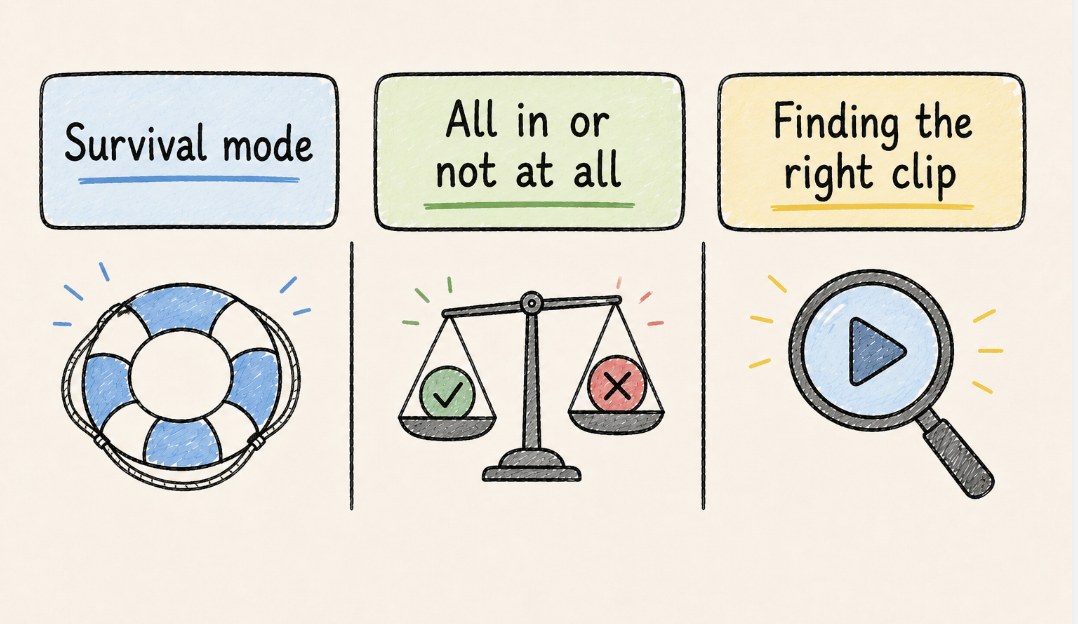
Survival Mode
Podcasting requires a level of survival most people don't expect. It seems simple enough at first, but the hard part is what happens after episode one: guests who stop responding, the moment you realize editing and booking are two completely different jobs wearing the same hat, the audio glitches nobody warns you about, the networks that will sell your ad space but won't touch your content, and the internal battle to go all in or quit.
It's clear why most shows quietly die around episode 10. This issue is about surviving that stretch.
All In or Not At All
After eight or nine years on one show, Dan and his co-host aren't trying to force a second one into the same schedule. They looked at the math: client work, editing, filming, and a new show doesn't fit in the same week without something breaking.
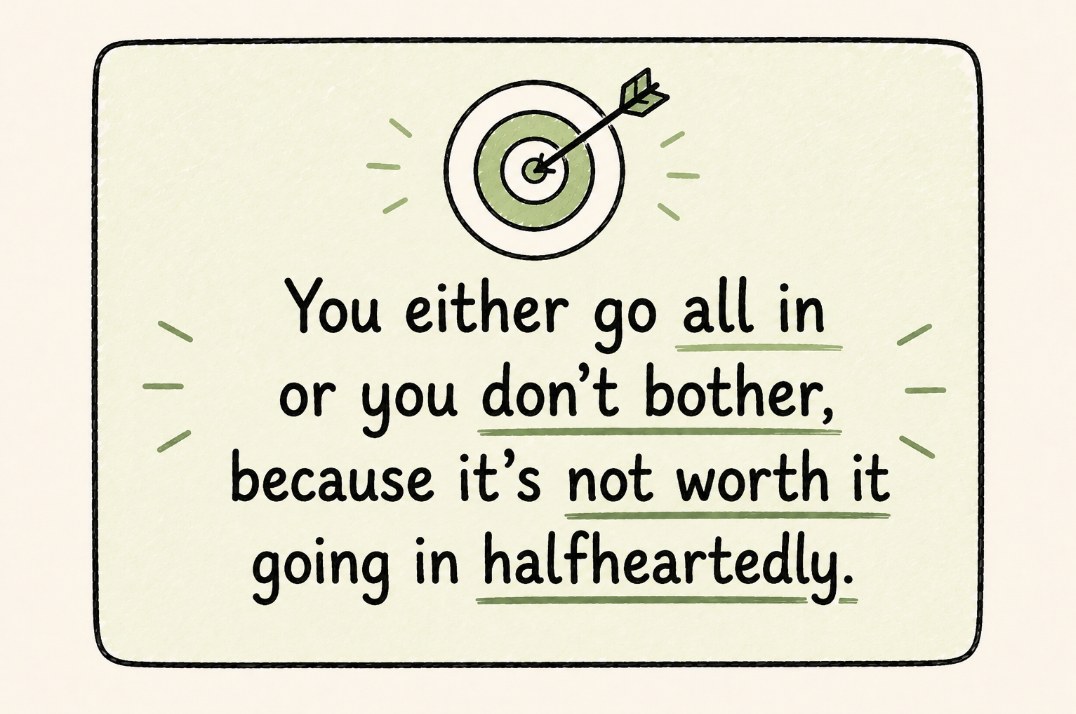
So the second show isn't happening halfheartedly, and it isn't happening at all until it can happen properly. That's the same principle Dan applies to guest bookings, to editing, to almost everything else in this issue: do it fully, hand it to someone who can, or don't do it.
Finding the Right Clip
Most auto-editing tools look for high-energy clips. Riverside, Opus Clip, and similar tools scan for the loudest, most reactive moments, the "yes, oh that's amazing" spikes, and cut those into clips. This is assuming that big energy means big relevance.
Big relevance is matching clips to what's being talked about right now, not to how loud the room got when it was recorded. That means treating a back catalog less like a pile of old episodes and more like a searchable database, indexed by topic, so if something in the news lines up with a clip from eighteen months ago, it's ready to go immediately. Old footage becomes new content the moment the internet catches up to it.
Networks Will Sell Your Ads, Not Your Content
Dan compares podcast networks to old-school TV ad sales, because that's basically what they are. A network builds a portfolio of shows, brings in advertisers, and sells blocks of ad space across the whole roster at once. One deal, a hundred shows.
What they won't do is make the thing people are supposed to click on.
Most creators think the job ends at publishing. Record the episode, post it, write "check out my new episode" on LinkedIn, done. Dan's seen this fail over and over, because there's rarely a reason for a stranger to click through to an episode with a guest they've never heard of. Clips are what actually move people, and clips are work nobody outsources to a network.
Interview With Dan Mellins Cohen
Dan Mellins Cohen is most concerned with what happens after episode 10.
Once you've done 10 episodes and you've worn out your copy book of contacts… you put out a very bold call on LinkedIn.
Dan Mellins Cohen · Philosophies For Life
The replies that come back, in his experience, are rarely the guests you want: "The only two people who get in touch are both like, I'm only coming on if I can talk exclusively about my new AI product."
His fix isn't a better outreach template. It's admitting that booking and editing are almost never the same skill:
Make sure if you're going to do it, either be good at that or get someone on board who's good at that. It's rare that an editor and a booker are both the same person.
Dan Mellins Cohen · Philosophies For Life
That's also why, after eight or nine years running the same show, he and his co-host aren't hiring a booker for a second one. They're starting fresh with someone whose whole job is the relationships: "You want two people that complement each other. You don't just want an ego presenter. You want someone who has the confidence to lead the discussion, but then also someone else who enjoys the process of forming those partnerships and getting things moving."
Dan hosts Philosophies For Life, the show this whole conversation comes from. It's on YouTube and Spotify, or wherever you get your podcasts.
See how Leo AI edits your video into scheduled social posts, guided by what your audience actually watches.